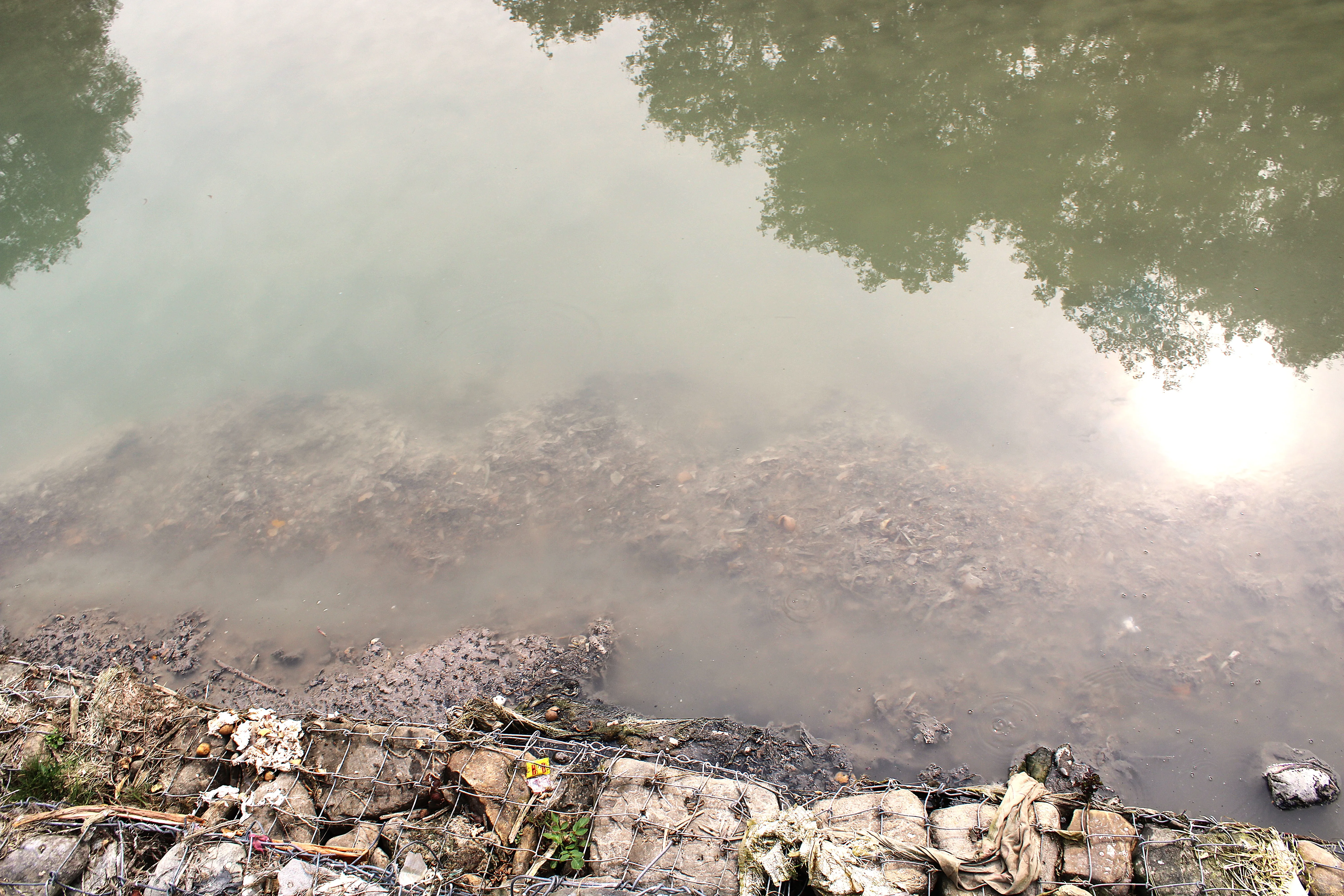
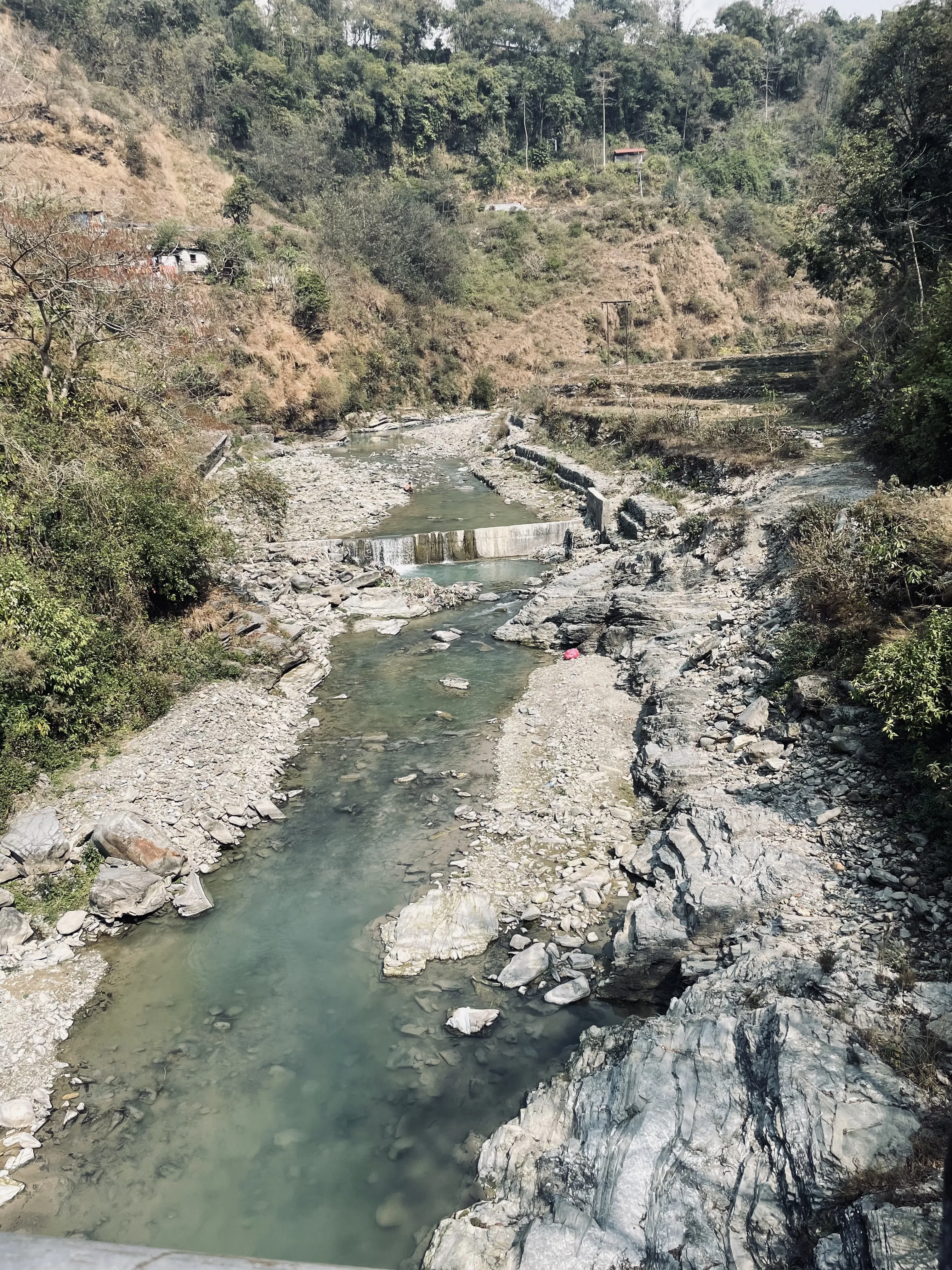
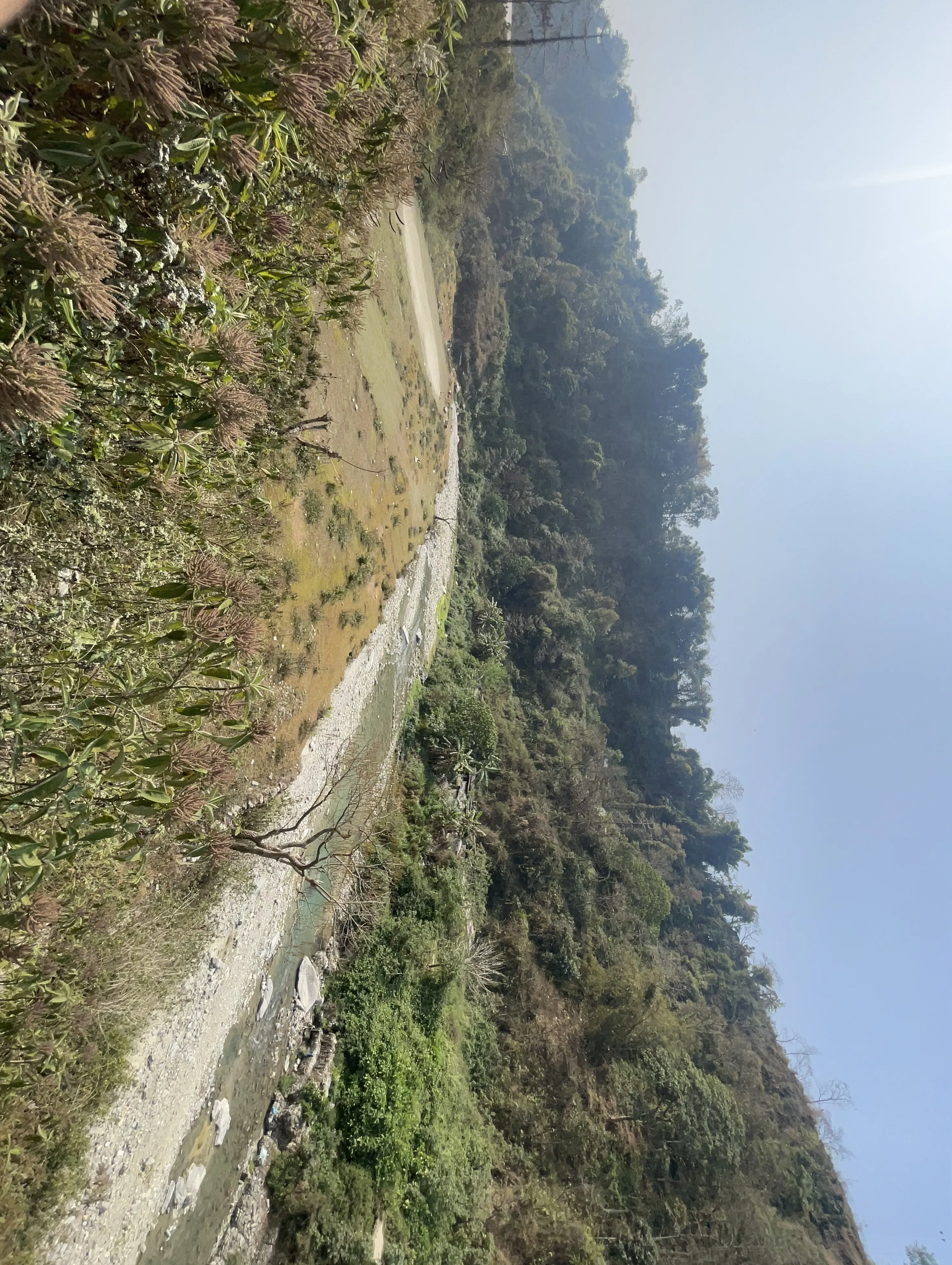
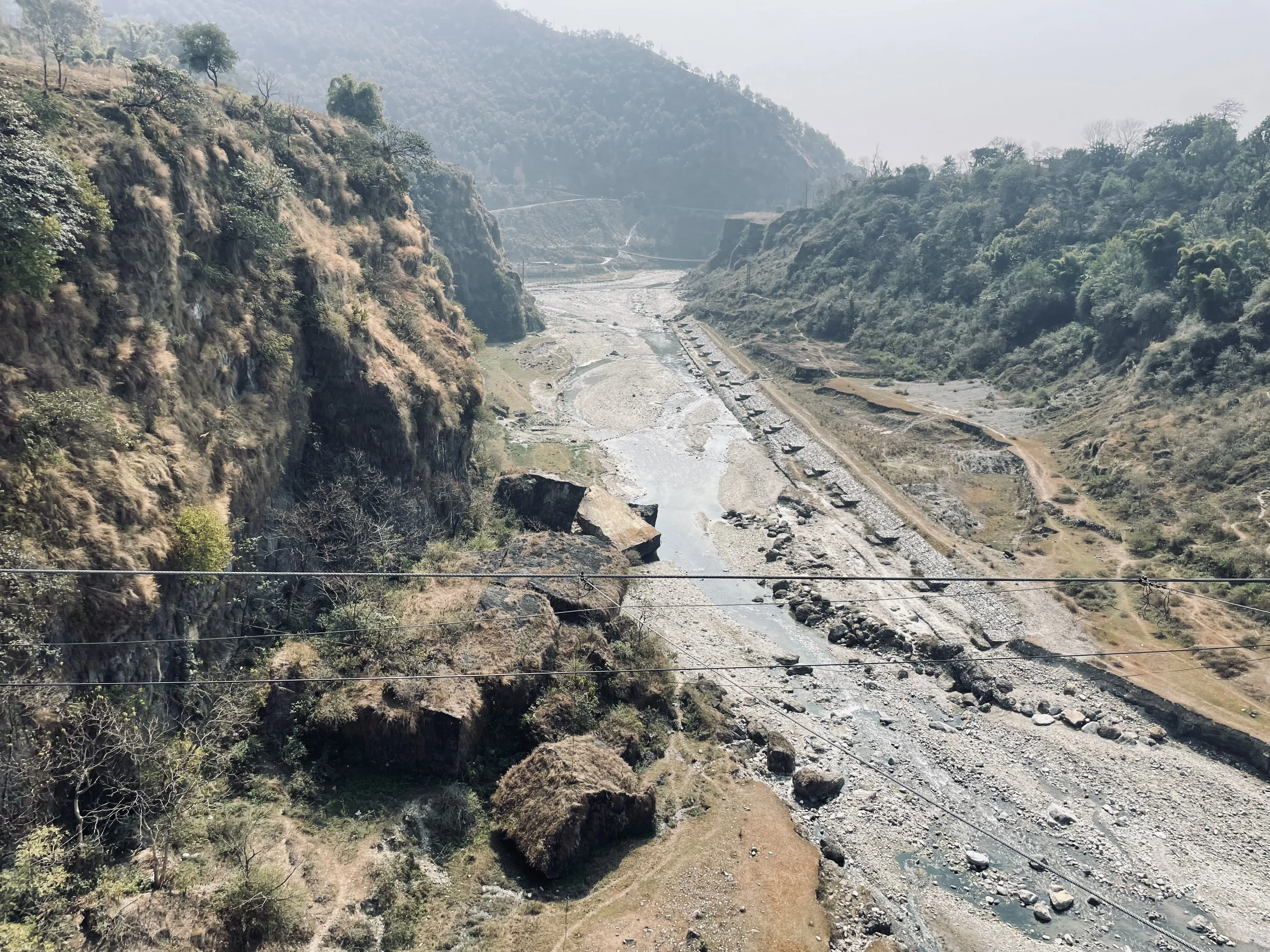
Kalikhola originates at Kali Lek Ward No-16 in Pokhara and is a northern tributary of the glacier fed Seti Gandaki River. It forms the natural and administrative boundary between Ward No. 16 (Batulechaur/Lamachaur) and Ward No. 20 (Bhalam) of Pokhara Metropolitan City. Kalikhola carves the landscapes of these two wards of Pokhara. Gharmi Khola, a river that flows into Kalikhola, runs through the adjacent Ward No-19 and hence KGECP includes the whole of Ward Nos 16 and 20 and a tiny part of Ward No 19 of Pokhara City. The total area the project comprises is between 65-70 sq.km.
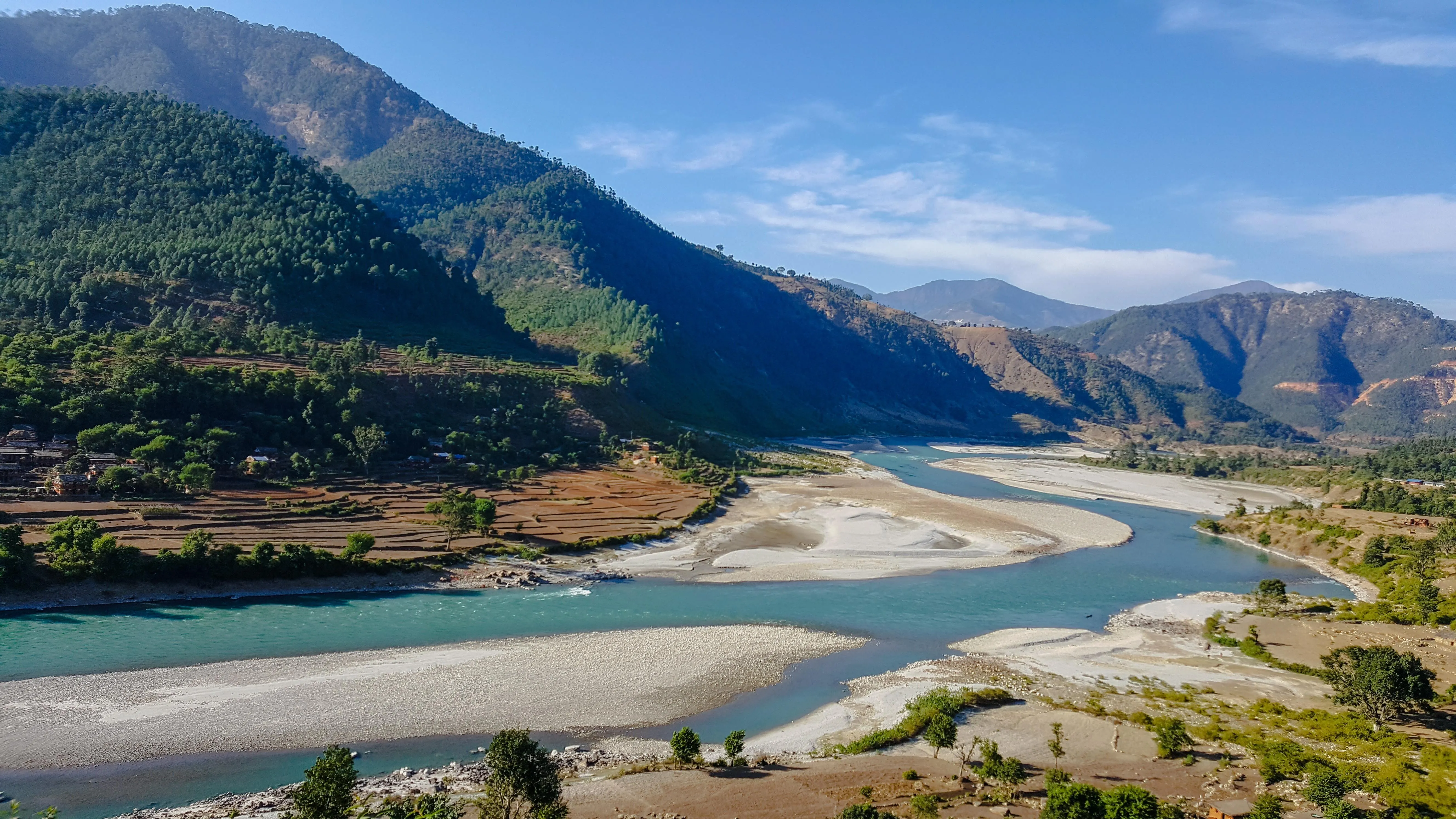
With almost 7 km stretch from Kali Lek to Bhalam, a perennial river, Kalikhola runs between the hills fed by several other tiny rivers amassing significant river basin area and impacting the lives of every species within expanded surroundings. Kalikhola in the region is the principal actor for its centuries old cultural and natural opulence.
The diverse landscapes, comprised of slopy hills, rivers and their catchment areas, terraced fields, wide plains, lush forestland, stony high cliffs, cavernous caves and hilltop viewpoints offer a unique opportunity to integrate agriculture, tourism, fisheries, agroforestry, and hospitality into a multi-stream revenue model that uplifts local communities while preserving ecological balance.
The watershed or the river basin area of Kalikhola is a lifeline for the region — a source of water, biodiversity, and livelihoods — yet it faces mounting threats from climate vulnerability, rapid urbanization, and unsustainable land use or simply put absolute misuse. Seasonal flash floods, soil erosion, and sedimentation have become recurring challenges, while local communities remain economically vulnerable despite their proximity to major tourist attractions like Mahendra Cave and Bat Cave. The project aims to restore ecological balance, revitalize local economies, and build climate resilience through regenerative ecology, sustainable infrastructure, and green livelihood innovation.
Vision
To establish Wards 16, 20 and the part of Ward 19 as a nationally recognized model of integrated green economic development, where sustainable agriculture, agroforestry, river basin conservation, eco-tourism, fisheries, waste management and entrepreneurship coexist harmoniously.
Goal
To promote sustainable economic growth and improve the quality of life for local communities through integrated management of agriculture, tourism, forests, and river ecosystems.
Objectives.
Increase income and employment opportunities for local households.
Promote climate-smart and regenerative agriculture.
Develop eco-tourism and community-based tourism destinations.
Strengthen river basin conservation and watershed management.
Enhance sustainable utilization of forests and biodiversity.
Support local entrepreneurship and value-added enterprises.
Application of eco-friendly technologies to recycle and upcycle waste.
Encourage public-private-community partnerships for long-term development.
Strategic Components.
Sustainable Agriculture & Agribusiness
The project promotes organic farming clusters. Backed by research, the project encourages plantation of high value plants that best suit the soil type of every small arable land. It envisions agro-processing industries, branding of local products, and cold storage facilities to enhance market access and reduce post-harvest losses.
Fisheries & Aquaculture
Plans include indigenous fish conservation, community-managed ponds, fish hatcheries, and recreational fishing zones. Riverside restaurants and eco-friendly aquaculture will create new income streams while preserving aquatic biodiversity.
Agroforestry, Forest Economy & Carbon Credit
The initiative integrates bamboo plantations, fruit trees, medicinal and aromatic plants, beekeeping, and non-timber forest products. Community forestry enterprises will contribute to carbon sequestration, ecosystem restoration, and forest-based livelihoods. Hence, the project ensures negative carbon credit.
River Basin Development & Eco-Tourism
The Seti River, Kalikhola, Gharmi Khola and Bhalam Khola corridors will be developed as eco-tourism destinations featuring nature trails, bird-watching zones, eco-parks, camping sites, adventure sports like rock-climbing and cultural tourism hubs. River conservation education centers will promote awareness and stewardship among visitors and locals alike.
Hospitality & Tourism Development
The project encourages farm stays, community homestays, boutique eco-lodges, and farm-to-table restaurants. Cultural performances, wellness tourism, yoga, and meditation centers will strengthen Pokhara's reputation as a holistic tourism destination.
Entrepreneurship & Green Enterprises
Support will be extended to women's cooperatives, youth startups, agri-tech innovators, and digital marketing platforms. Business incubation centers will nurture local talent and innovation, fostering a new generation of green entrepreneurs.
Implementation Strategy.
Community Participation
Local stakeholders — farmers, cooperatives, community forest user groups, women's groups, youth clubs, and entrepreneurs — will be actively engaged in planning and implementation.
Public-Private Partnerships (PPP)
Investments will be mobilized for eco-lodges, agro-processing industries, renewable energy systems, and commercial agriculture ventures.
Capacity Building
Regular training will be conducted on regenerative agriculture, entrepreneurship, hospitality, eco-tourism, business management, and digital marketing.
Infrastructure Development
Key infrastructure will include rural roads, irrigation systems, collection centers, cold storage, market facilities, eco-trails, and renewable energy systems.
Environmental Safeguards
The project emphasizes watershed management, biodiversity conservation, waste management, climate adaptation, and green infrastructure to ensure ecological integrity.
Expected Outcomes.
By integrating agriculture, tourism, and conservation, the project aims to:
Improve livelihoods for over 5,000 households.
Generate significant employment for youth and women.
Increase agricultural productivity and farm income.
Expand eco-tourism and hospitality businesses.
Enhance forest conservation and biodiversity protection.
Improve watershed health and river conservation.
Strengthen local entrepreneurship and cooperatives.
Attract investment in green enterprises.
Position Wards 16, 20 and a part of 19 as a national model of sustainable rural urban development.
Partnerships & Leadership.
The project will be implemented through collaboration among:
The Sustainable Agriculture Development Program Nepal (SADP-Nepal) will serve as the lead facilitating organization, coordinating stakeholders, mobilizing technical expertise, and developing partnerships for sustainable, inclusive, and environmentally responsible development.
Sustainability Framework.
Community ownership and cooperative-led enterprises.
Public-private partnerships and green investments.
Capacity development and climate-resilient infrastructure.
Environmental conservation and local government participation.
Revenue-generating enterprises that reinvest in community development.
This approach ensures that the project remains economically viable and ecologically sound for generations to come.
Volunteer Engagement Opportunities.
Volunteers will play a crucial role in supporting the community-based and ecological initiatives of the Kalikhola Watershed Management Project. Their involvement will span across diverse areas, each offering meaningful contributions to both the environment and local livelihoods.
Watershed Restoration
Plant riparian buffers, bamboo, and native species, while helping with erosion control and the construction of silt traps — tasks that require practical skills in environmental science, forestry, and physical labor.
Community Agriculture
Support organic farming clusters, seed nurseries, and demonstration plots, applying knowledge of agriculture, permaculture, and irrigation management to strengthen food security and regenerative practices.
Eco-Tourism Development
Help design and maintain nature trails, eco-parks, and signage, as well as assist in visitor management and cultural documentation. Benefits greatly from skills in tourism, design, photography, and communication.
Hospitality Training
Conduct workshops for youth and women, focusing on hygiene, customer service, and hospitality management, thereby enhancing local capacity to host tourists and generate income.
Entrepreneurship Support
Mentor local startups, cooperatives, and women's enterprises, while assisting with digital marketing and branding. Particularly impactful for those with expertise in business development and marketing.
Environmental Education
Facilitate awareness campaigns, school programs, and river conservation workshops, drawing on teaching, communication, and environmental education skills to inspire stewardship among communities.
Research & Documentation
Collect data on biodiversity, water quality, and socio-economic impacts, preparing reports and visuals that inform project monitoring and evaluation. Skills in GIS, data analysis, and research writing are especially valuable.
Cultural & Creative Engagement
Document local traditions, crafts, and stories for tourism promotion, using talents in art, media, and storytelling to preserve and showcase the rich cultural heritage of the watershed.
Synopsis.
The Kalikhola Watershed Management Project represents a bold step toward integrated green economic development in Pokhara. By uniting agriculture, tourism, forestry, and entrepreneurship under a single framework, it seeks to create a living corridor of sustainability — where nature and livelihoods thrive together.
Through collaboration among local communities, government bodies, private enterprises, and volunteers, the project will serve as a flagship model for Nepal's green transition, demonstrating how regenerative ecology and inclusive growth can coexist to build a resilient future for all.
Support the KGECP.
Join as a volunteer or donate to support the pilot mission of bringing back the identity of this almost lost river system.